The Evolution of Shoppable Entertainment
The integration of e-commerce into streaming content is not a novel concept, but Amazon’s latest maneuver marks a shift toward mass-market adoption. Previously, the company tested the waters with "Shop the Show," a secondary-screen feature launched last year that required users to manually input a search query in their mobile app to find items related to a specific title. The process was arguably cumbersome, acting more as a niche tool for dedicated fans rather than a frictionless shopping experience.
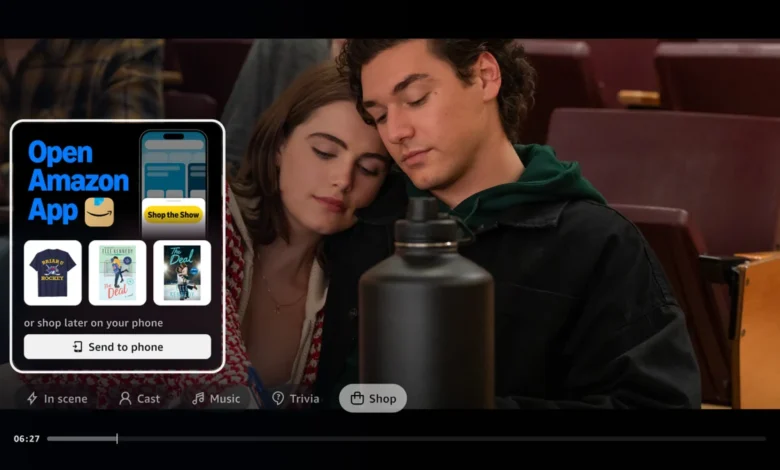
The updated strategy focuses on visibility and speed. By embedding a "Shop" tab directly into the X-Ray interface—a tool already widely used by Prime Video subscribers for real-time data on actors, music, and character backstories—Amazon is placing the point of sale exactly where the consumer’s attention is already focused. With a simple tap on the Fire TV remote, viewers can now access a curated feed of products synced to the specific scene they are watching. This move effectively eliminates the cognitive friction associated with searching for items post-viewing, a significant hurdle that has historically dampened conversion rates in social and streaming commerce.
A Chronology of Amazon’s Retail-Media Integration
Amazon’s path to this development has been methodical, rooted in years of building both its streaming library and its visual search capabilities.
- Pre-2022: Amazon establishes the "X-Ray" feature, training users to rely on a second layer of information while watching Prime Video content.
- 2023: The company introduces "Shop the Show," a mobile-first initiative requiring manual search interaction, laying the groundwork for backend product-tagging databases.
- Early 2024: Amazon expands its use of artificial intelligence and computer vision (Amazon Lens) across its retail platform, improving the accuracy of visual product identification.
- September 2026 (Current): The company launches "Shop the Scene," integrating AI-driven visual recommendations directly into the streaming experience, while expanding "Shop the Show" to over 8,000 titles.
Leveraging Amazon Lens for Visual Discovery
Perhaps the most ambitious component of the update is "Shop the Scene." Utilizing Amazon Lens, the same technology that allows users to scan real-world objects to find them on the Amazon marketplace, the new feature analyzes the visual composition of a movie or television scene. When a user pauses or accesses the shop function, the system identifies the aesthetic and functional elements of the frame—such as interior decor, clothing styles, or accessories—and suggests similar, available items.
Crucially, Amazon has been transparent about the limitations of this technology. It does not always provide an exact match, particularly when characters are wearing high-end couture or custom-made costumes that are not mass-produced. Instead, the algorithm provides "inspired-by" recommendations. This approach serves a dual purpose: it manages consumer expectations while providing a broad catalog of accessible alternatives that align with the visual language of the production. By moving beyond simple affiliate linking and into AI-assisted aesthetic matching, Amazon is effectively turning every scene into a potential retail advertisement.
Competitive Landscape and Industry Context
Amazon is far from alone in its pursuit of the "shoppable TV" holy grail. The industry is currently locked in a race to own the consumer’s attention span, with several major players implementing their own variations of interactive commerce.
YouTube, under the Alphabet umbrella, has been a pioneer in this space, utilizing "merch shelves" for creators and, more recently, deploying shoppable ads that appear directly on connected television sets. Similarly, NBCUniversal’s Peacock introduced "Must ShopTV" in 2023, which allows viewers to purchase items featured in content through a QR code-driven interface. Roku has also integrated Shopify into its platform, enabling users to make purchases directly through their television remotes. Even Disney has begun to experiment with integrated commerce, testing virtual concessions and shoppable advertisements across its streaming portfolio, including Disney+, Hulu, and ESPN.

The underlying motivation for these companies is the stagnation of traditional linear television advertising. As audiences migrate to subscription-based, ad-free, or ad-light streaming environments, companies must find ways to monetize content that do not rely solely on subscription fees or traditional 30-second commercial spots. Shoppable TV represents a high-intent revenue stream where the ad is no longer an interruption, but an extension of the viewing experience.
Technical Implementation and User Experience
The user journey for these new features is designed to be as non-intrusive as possible. When watching via a Fire TV device, a user can press the "up" button on their remote to summon the X-Ray overlay. Within this interface, a new "Shop" tab provides a list of products. To complete a transaction, the user opens the Amazon Shopping app on their smartphone. The app utilizes the user’s account information to immediately sync with the Prime Video session, dropping the user into a feed of products specific to that moment in the film or show.
For users who prefer a dedicated second-screen experience, the revamped "Shop the Show" feature removes the previous requirement to type a specific search query. Simply opening the Amazon Shopping app while a movie is playing on a connected device will now automatically trigger a storefront for that title. This reduction in the number of steps required to reach the checkout screen is expected to correlate with higher conversion rates, as it caters to the "impulse buy" nature of the modern digital consumer.
Broader Implications for E-commerce and Content
The implications of these changes are profound for both the retail and entertainment sectors. For content creators and production houses, this creates a new potential for brand partnerships. Shows could, in theory, feature products from specific sponsors, with the "Shop the Scene" technology serving as the primary vehicle for direct sales. This incentivizes a tighter integration between product placement and the actual availability of those products on Amazon.
Furthermore, the scale of this launch is notable. By expanding the availability of "Shop the Show" to more than 8,000 titles—ranging from original Prime productions to licensed content and live sports broadcasts—Amazon is signaling that it intends to cover the vast majority of its library. This scale is something smaller streaming platforms may struggle to match, as it requires massive metadata mapping to link specific timestamps in video files to specific product SKUs in a global warehouse database.
Future Outlook
As artificial intelligence continues to refine the accuracy of visual search, the friction between "wanting" and "owning" will continue to diminish. Amazon’s strategy positions it to capture the entire value chain: the content production (via Amazon MGM Studios), the distribution (via Prime Video), and the retail fulfillment (via its logistics network).
While the success of these features will ultimately depend on consumer adoption and the accuracy of the AI-driven recommendations, the trajectory is clear. The television screen is being repurposed as a primary retail interface. As Amazon continues to iterate, the line between entertainment and shopping will become increasingly blurred, setting a new standard for how media companies attempt to convert viewer interest into bottom-line revenue. For the consumer, the transition promises a more personalized and convenient shopping journey, though it also signals an era where almost every frame of media is optimized for potential commercial gain.